

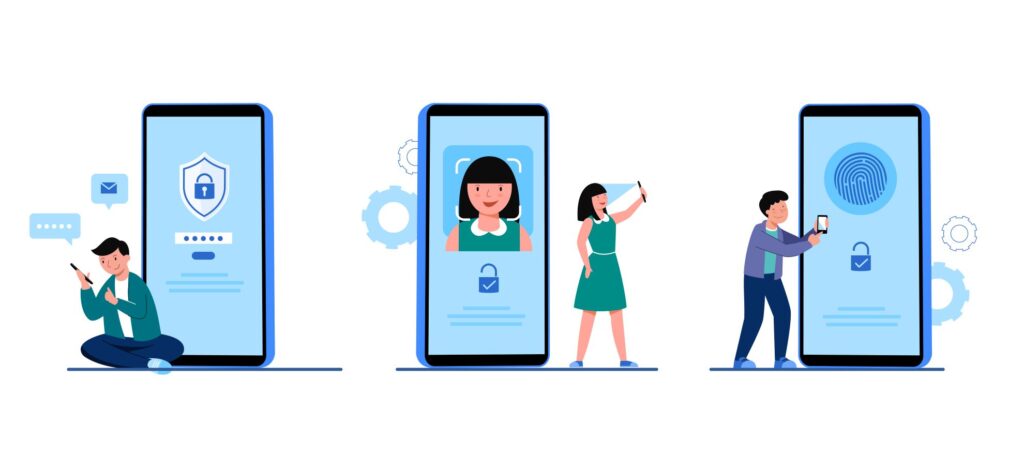
Silent authentication allows identity verification to run in the background using mobile network signals. This reduces dependency on manual OTP input and makes login or transaction flows feel faster.Why silent authentication mattersFor…
Silent authentication allows identity verification to run in the background using mobile network signals. This reduces dependency on manual OTP input and makes login or transaction flows feel faster.
Why silent authentication matters
For modern organizations, communication is directly connected to revenue, customer trust, and operational efficiency. A weak communication process creates slow responses, inconsistent follow-up, and poor visibility for managers. A structured silent authentication approach helps teams work with clearer ownership and better measurement.
Key business considerations
- Users do not need to type codes, reducing friction and improving conversion.
- Network-based verification helps confirm whether a number is active on the device.
- Social engineering and OTP interception risks can be reduced with the right approach.
- Implementation must consider consent, API security, and data protection compliance.
- Common use cases include login, risky transactions, onboarding, and account recovery.
How companies can implement it
Implementation should start with a review of existing processes, interaction volume, channels, and service-level expectations. After that, the business can define user roles, escalation paths, reporting needs, and integration points with CRM, PBX, WhatsApp, SMS, or other operational systems.
A phased rollout is usually safer than a sudden replacement. Teams can begin with one department or one use case, measure operational impact, then expand once the process and governance are stable.
Operational impact
When deployed properly, silent authentication can improve response speed, reduce repetitive manual work, make service quality easier to monitor, and give management better insight into customer activity. The result is not only lower cost, but also stronger customer experience and more predictable operations.
What to prepare before choosing a solution
Companies should prepare data ownership rules, security requirements, reporting expectations, user access policies, and integration requirements. These details help ensure the selected solution is not only attractive visually, but also reliable for daily enterprise operation.